

 Number of sessions
8
 Evaluation
4.5
 Number of participants
15
 Number of speakers
11
 Number of Nationalities
10
 Number of subscribers
52
Sponsors
Main Sposor

Participating entities



.png)
Event summary
Session One: Towards the Development of Arab Arbitration Laws
This session addresses the urgent need to modernize Arab arbitration frameworks in response to the rapid developments in regional and international business environments.
Arbitration remains a key tool for resolving commercial disputes efficiently and flexibly. However, many Arab jurisdictions still face legislative gaps and practical challenges that may reduce investor confidence.
The session highlights the importance of unifying procedural standards, strengthening guarantees of fairness and transparency, and reinforcing the principle of party autonomy in line with global best practices, thereby contributing to enhancing the region’s position as a trusted hub for arbitration.
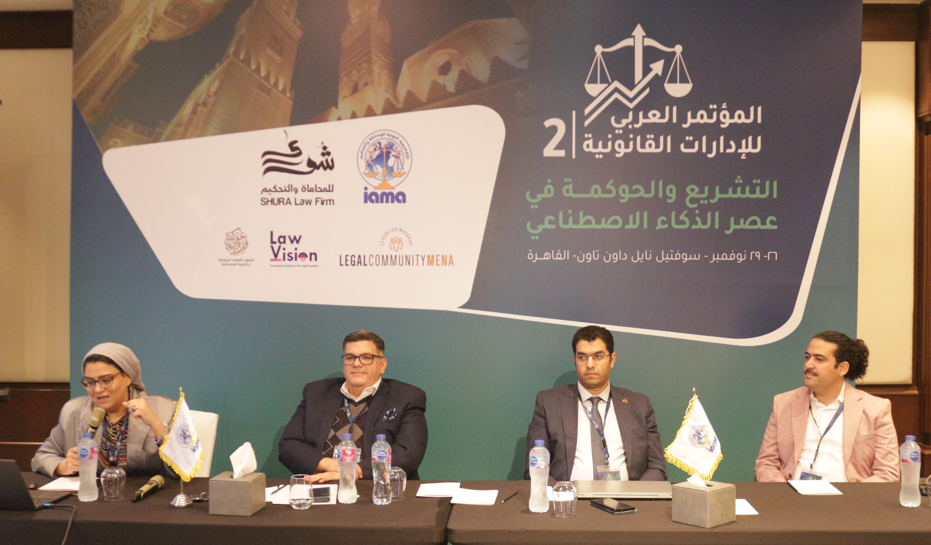
Registration and Collection of Conference Bags

Session One: Towards the Development of Arab Arbitration Laws
This session addresses the urgent need to modernize Arab arbitration frameworks in response to the rapid developments in regional and international business environments.
Arbitration remains a key tool for resolving commercial disputes efficiently and flexibly. However, many Arab jurisdictions still face legislative gaps and practical challenges that may reduce investor confidence.
The session highlights the importance of unifying procedural standards, strengthening guarantees of fairness and transparency, and reinforcing the principle of party autonomy in line with global best practices, thereby contributing to enhancing the region’s position as a trusted hub for arbitration.
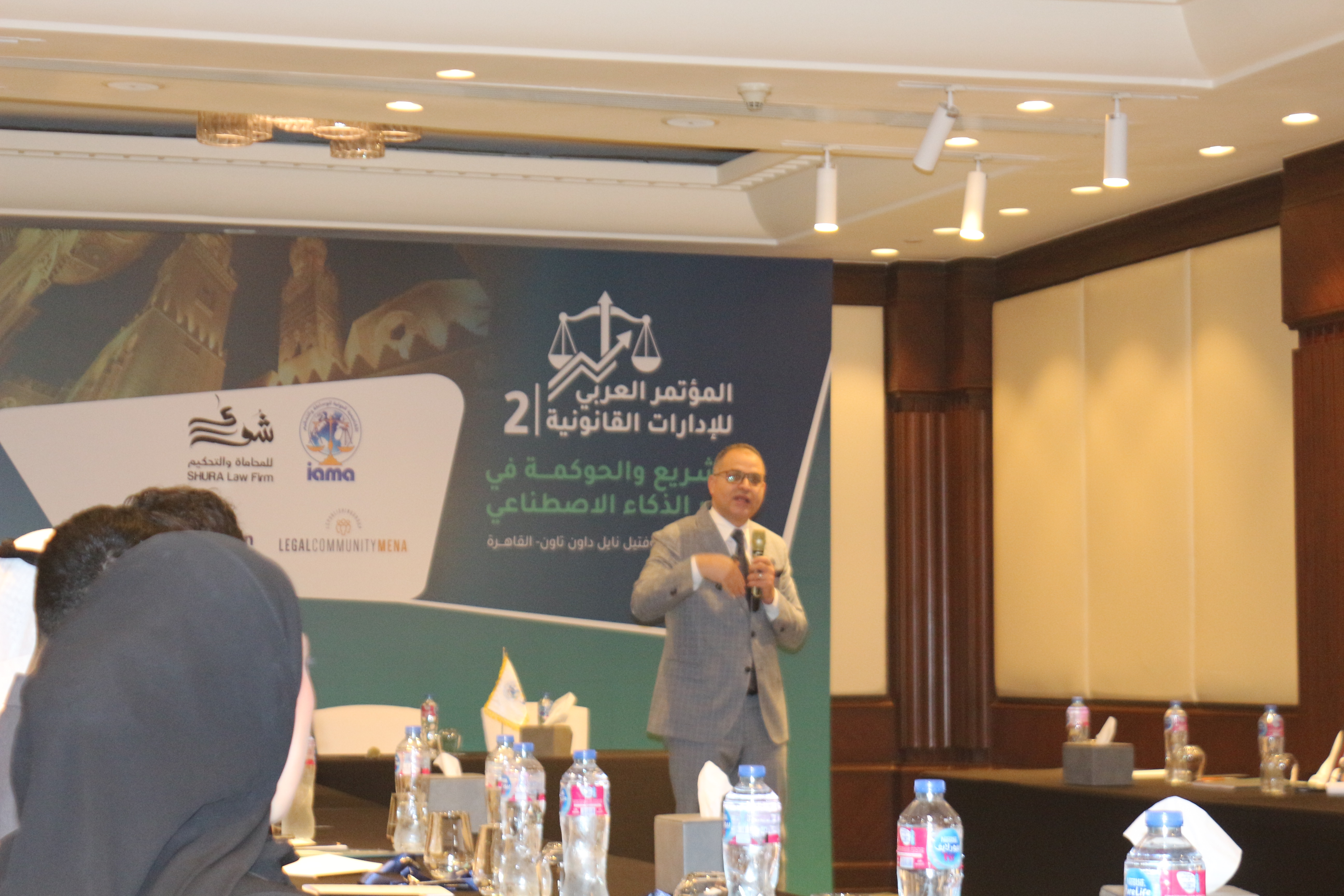
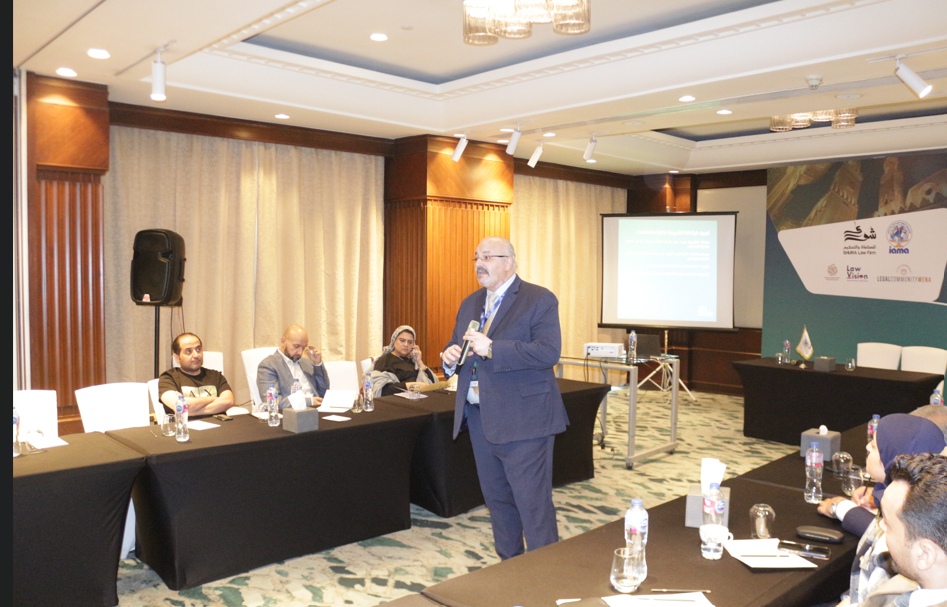
Second Workshop: "Legislative Agility as an Approach to Drafting Smart Legislation"
The workshop addressed the concept of "legislative agility" as an approach to drafting smart legislation capable of responding to rapid technological advancements. It focused on key agile governance methods and their role in the continuous development of legal systems, while also highlighting the importance of regulatory experimentation as a tool to assist policymakers in designing flexible legal frameworks that foster innovation and strike a balance with the protection of public interests.
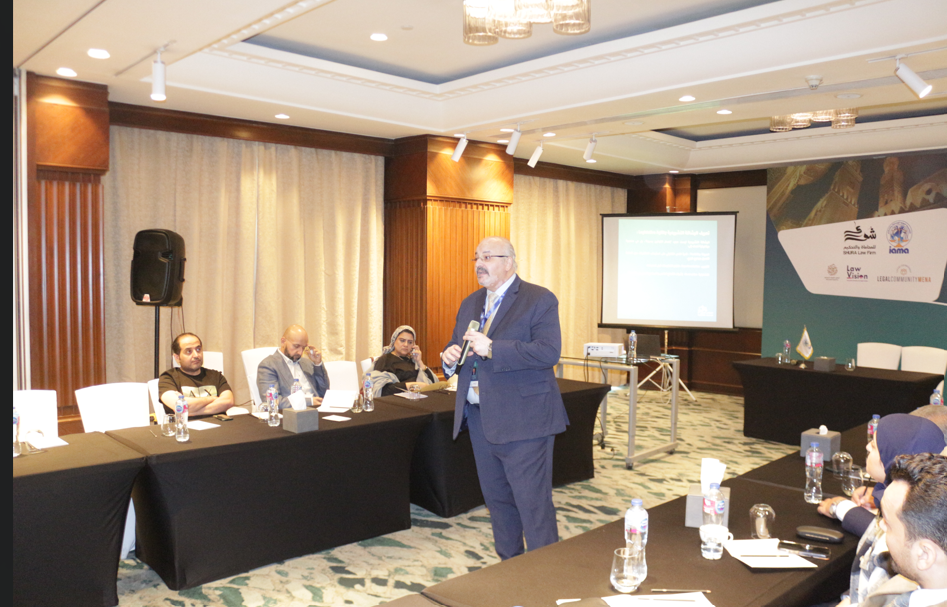
الورشة الثالثة: "صياغة سياسة استخدام الذكاء الاصطناعي داخل الإدارات القانونية":

الورشة الثالثة: "صياغة سياسة استخدام الذكاء الاصطناعي داخل الإدارات القانونية":
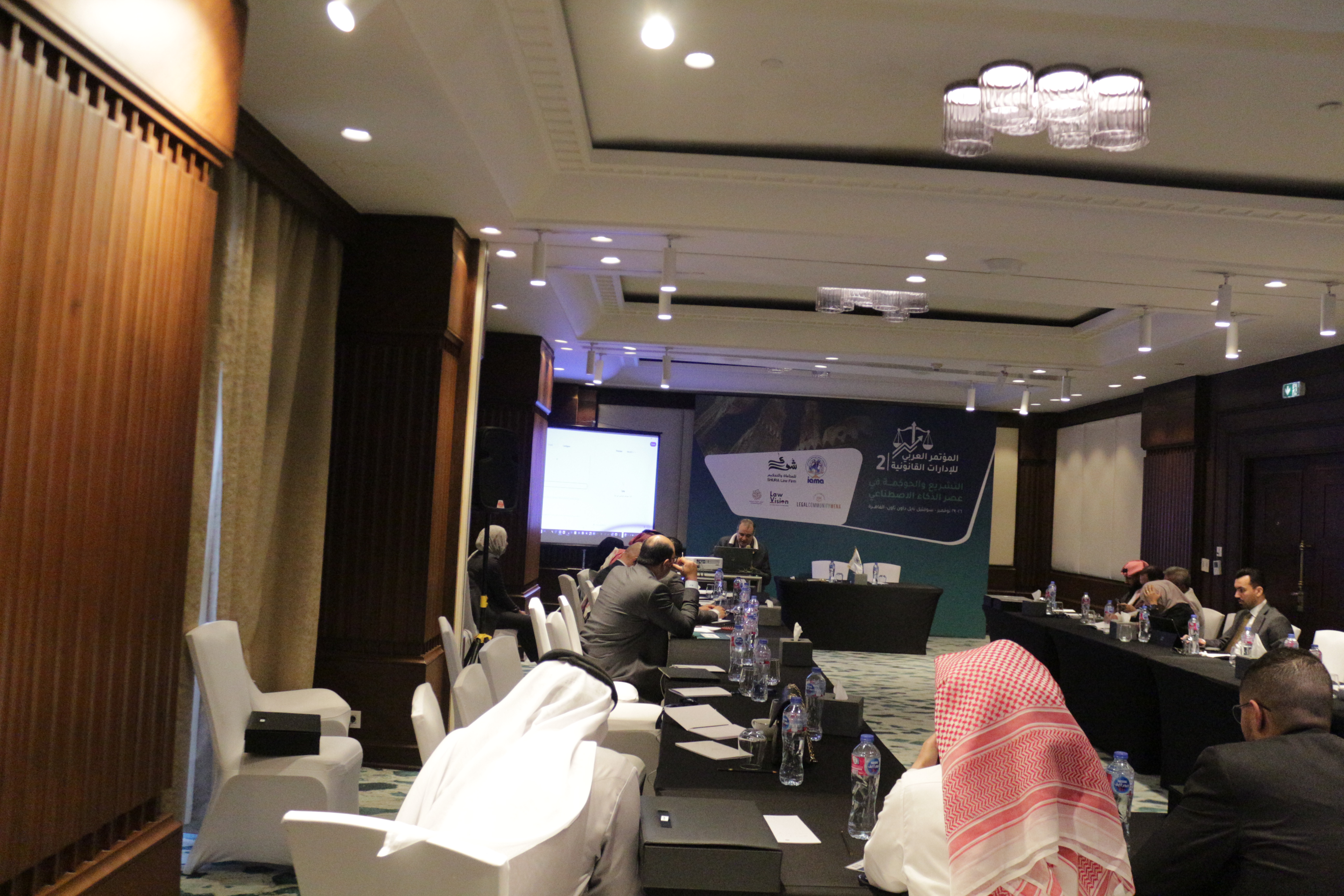
Sponsors gallery
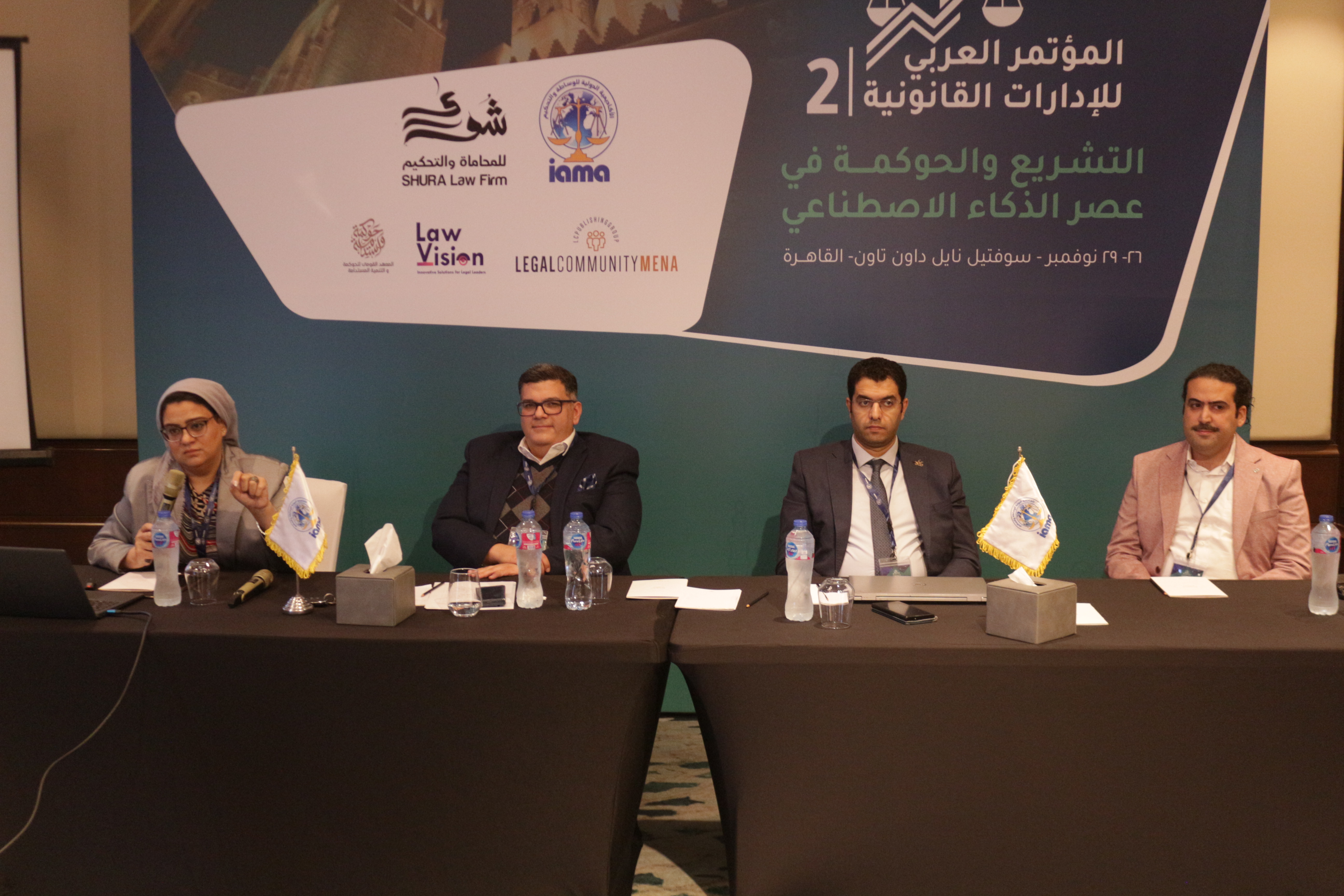
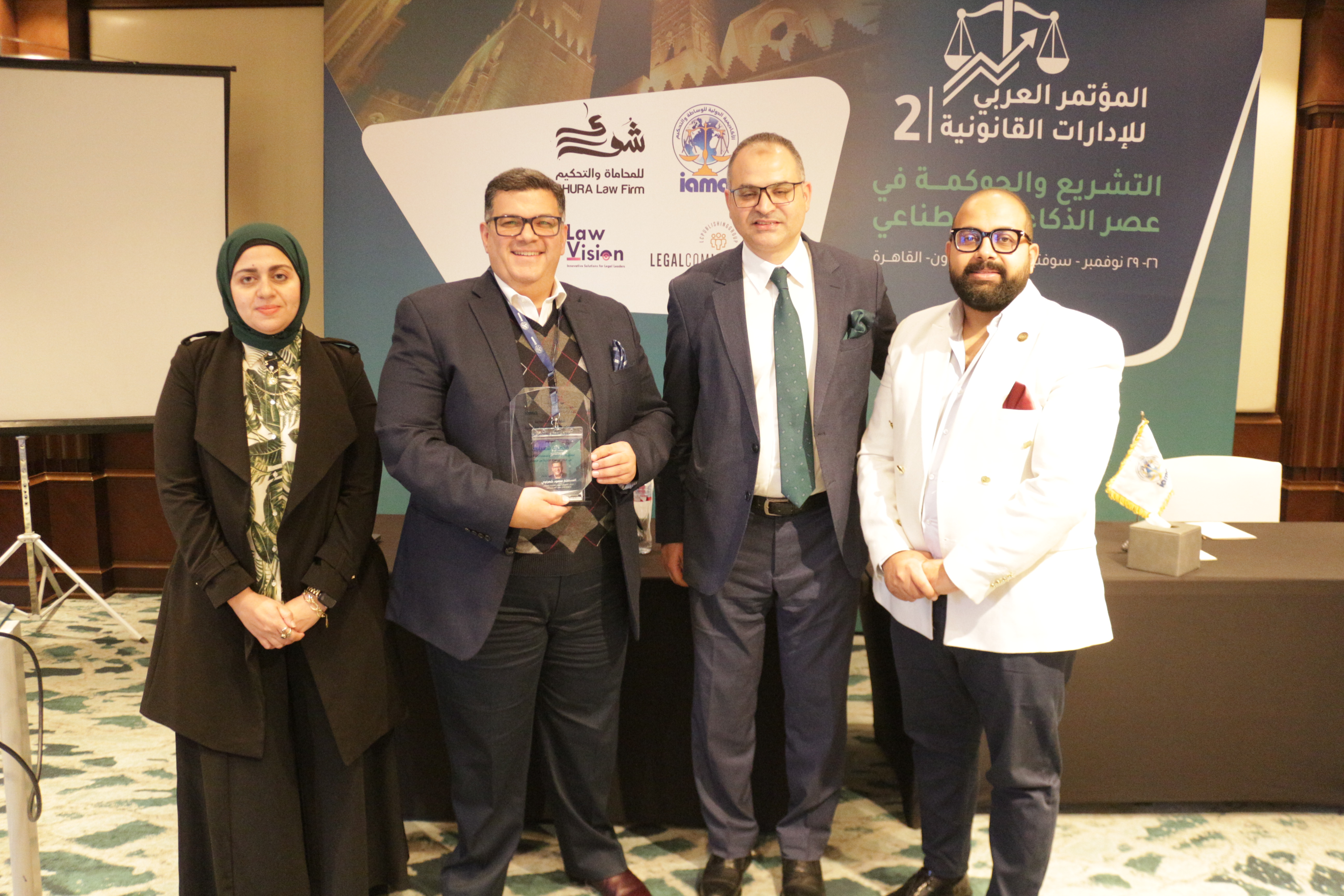
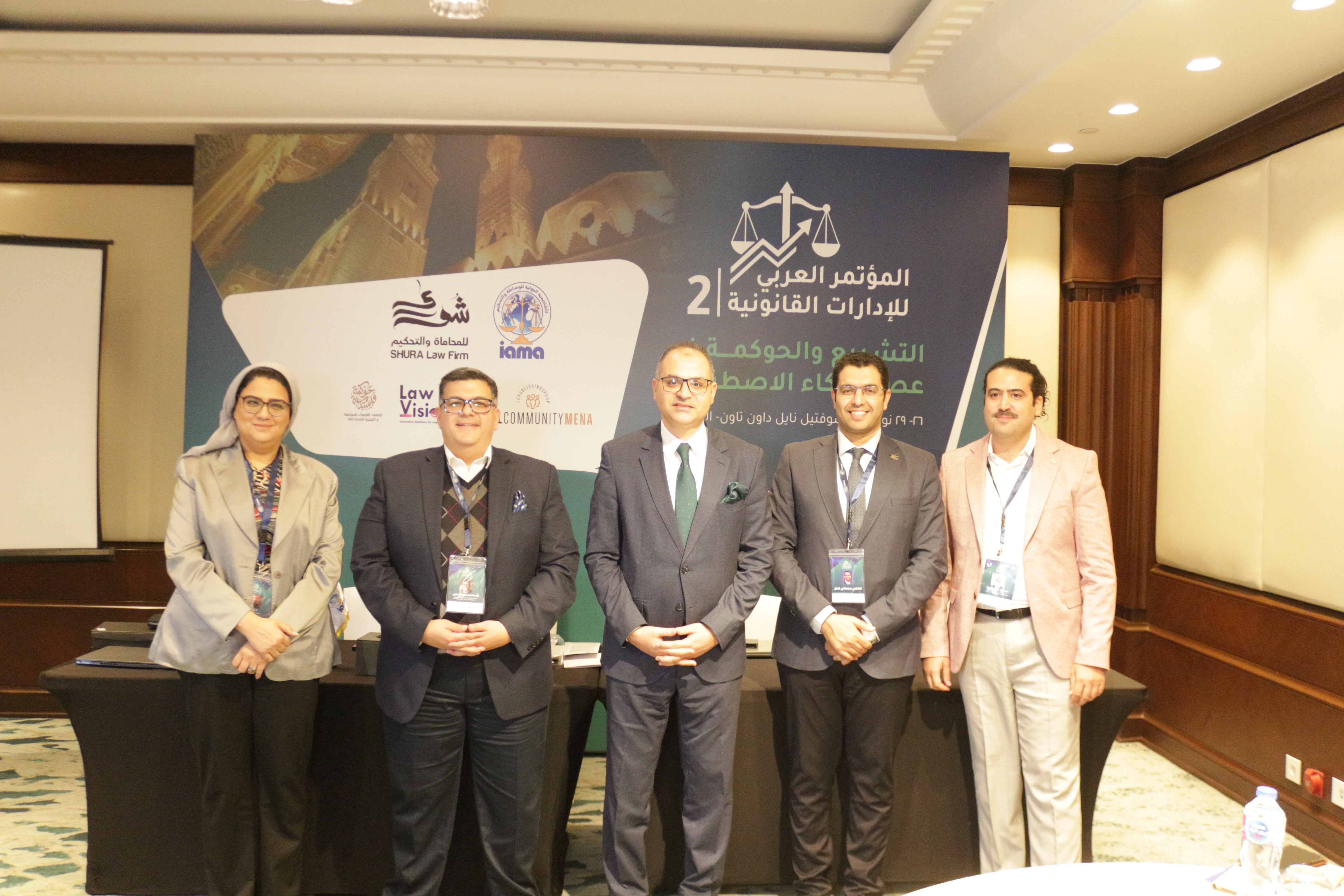
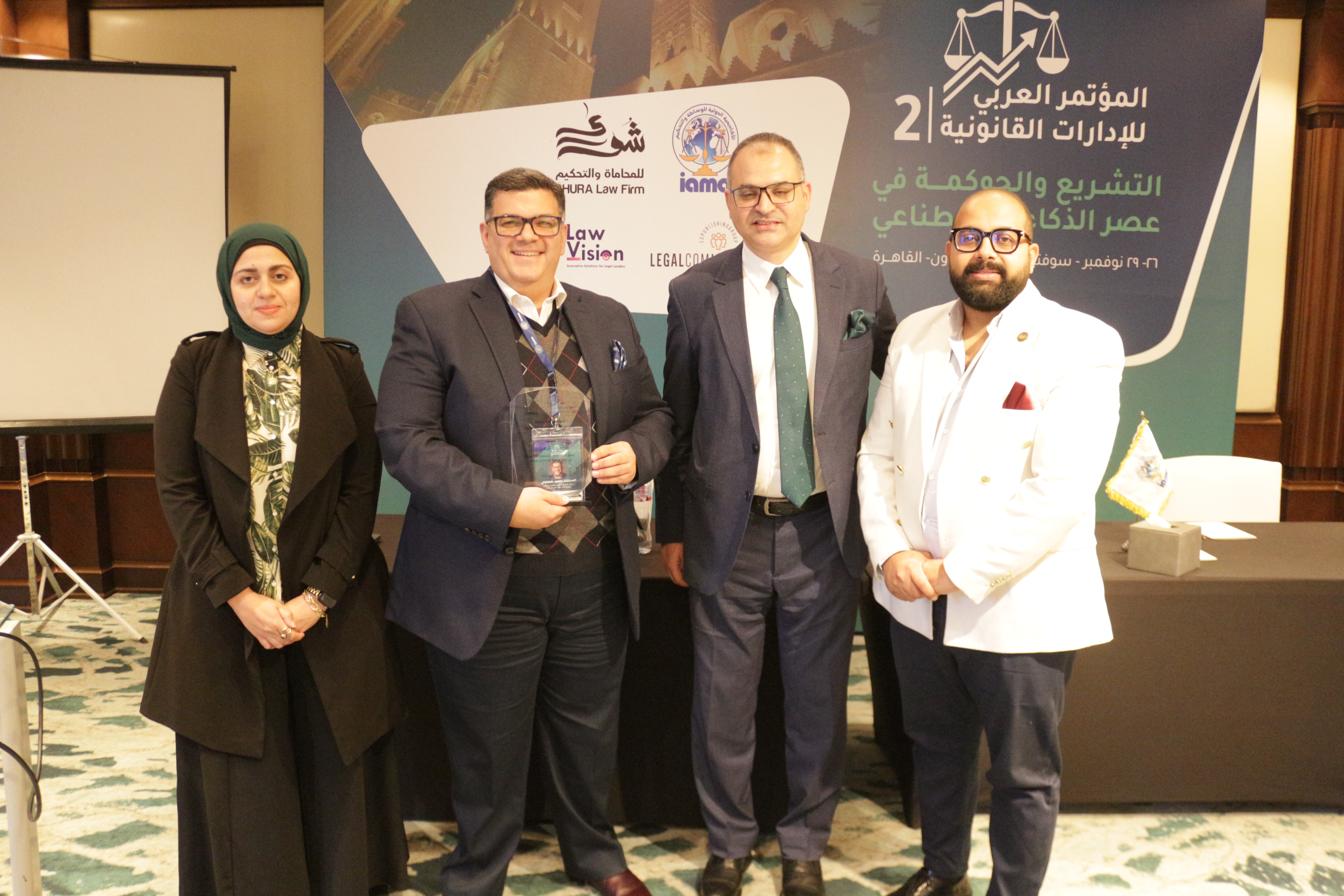
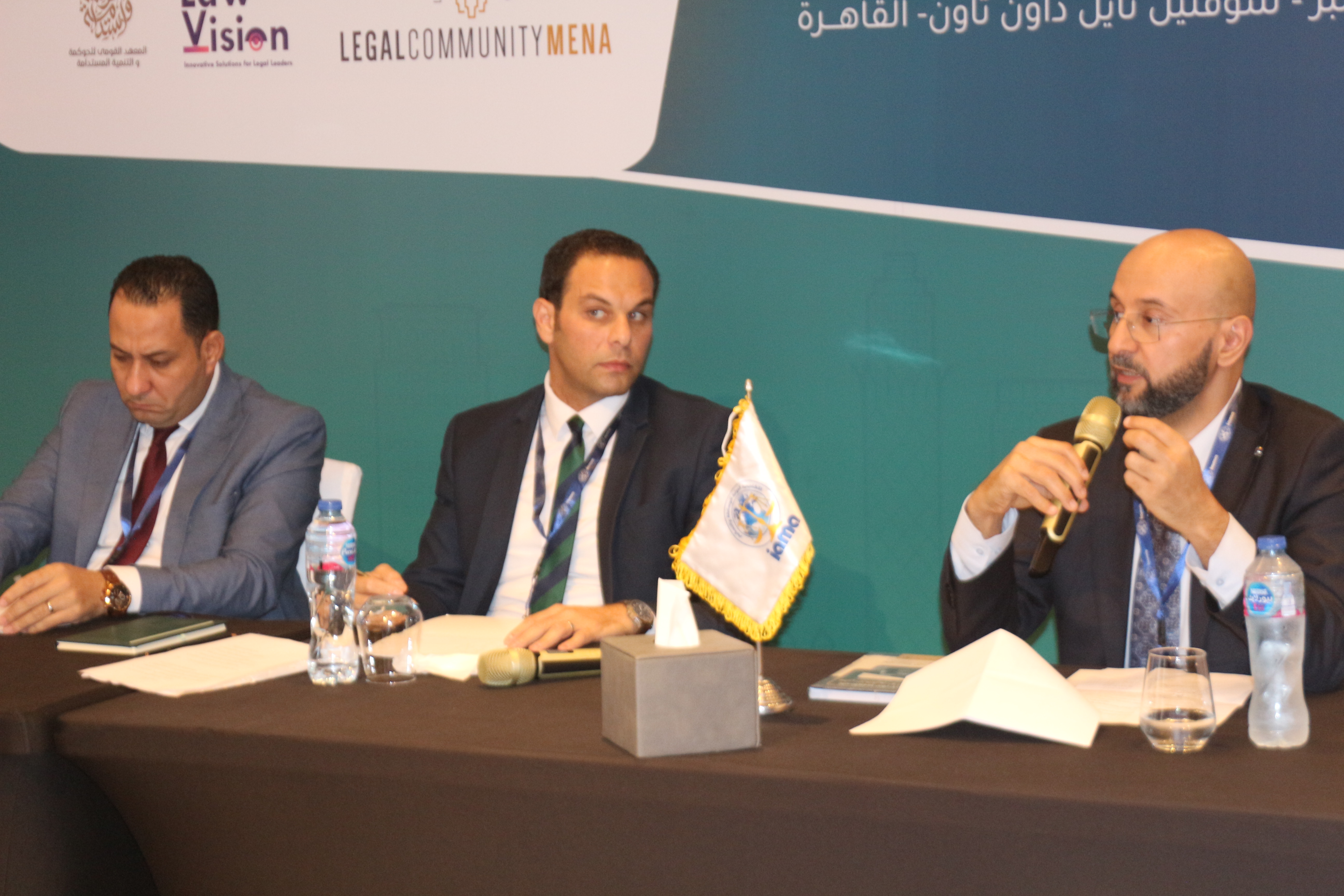
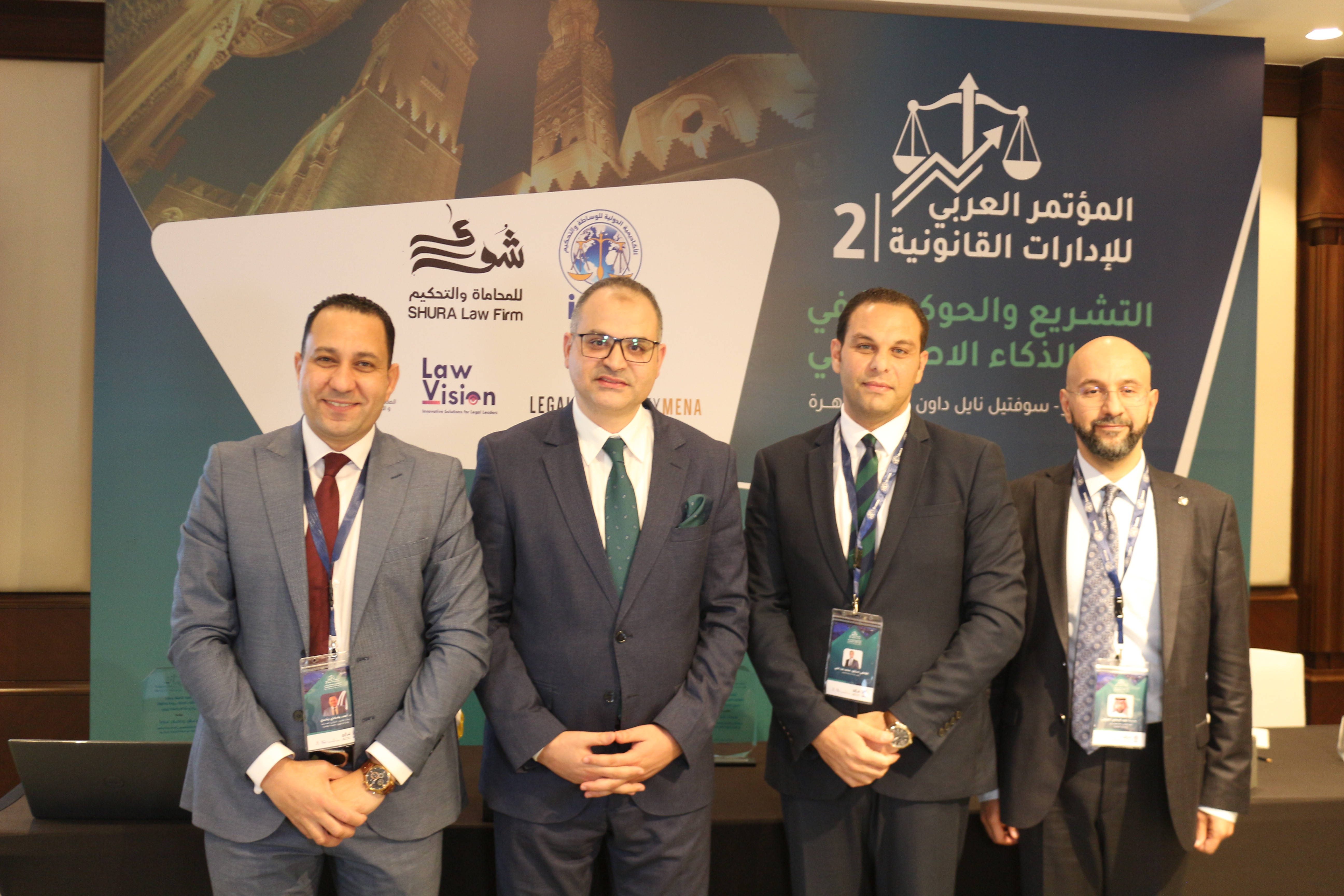
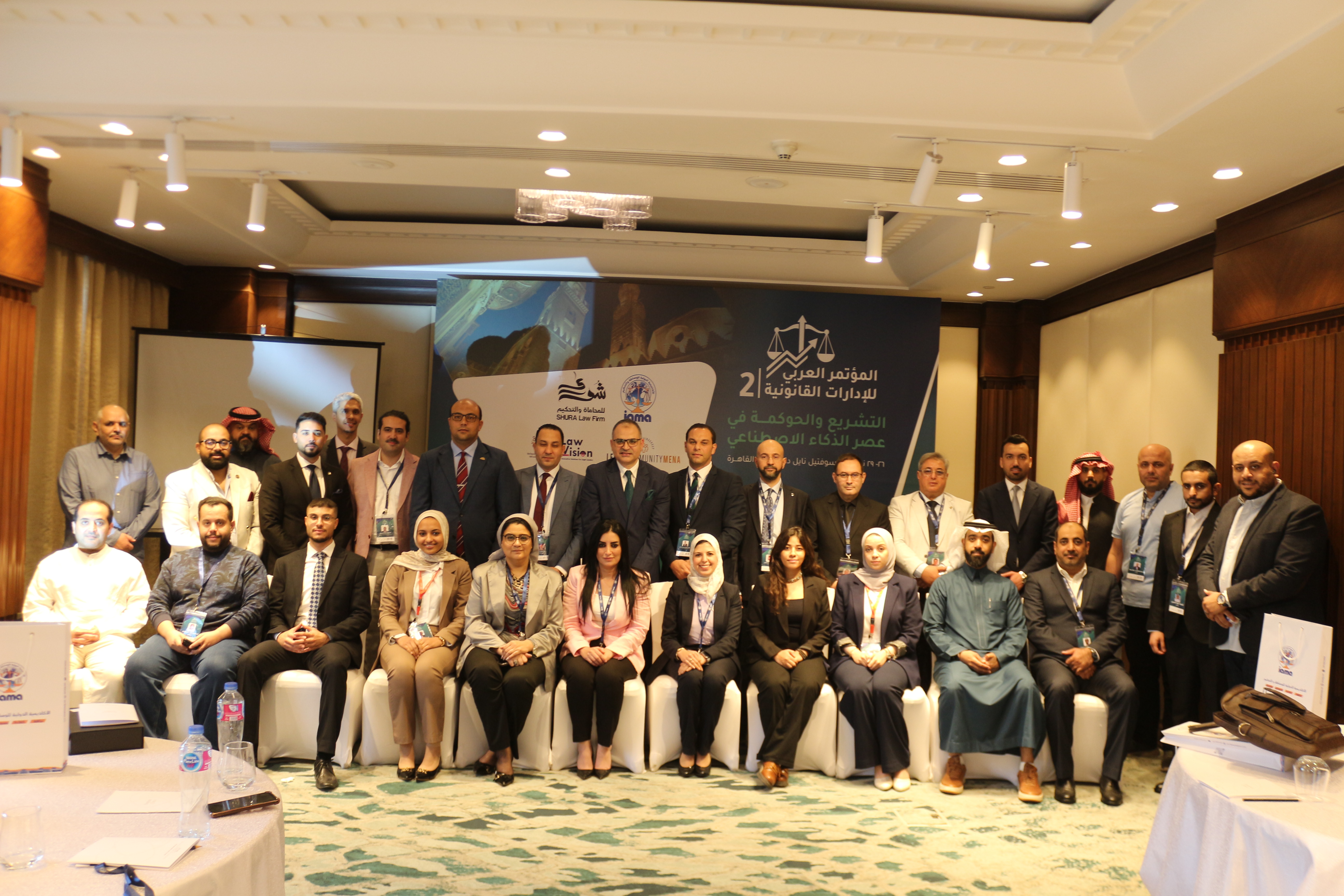
Honoring participants and attendees
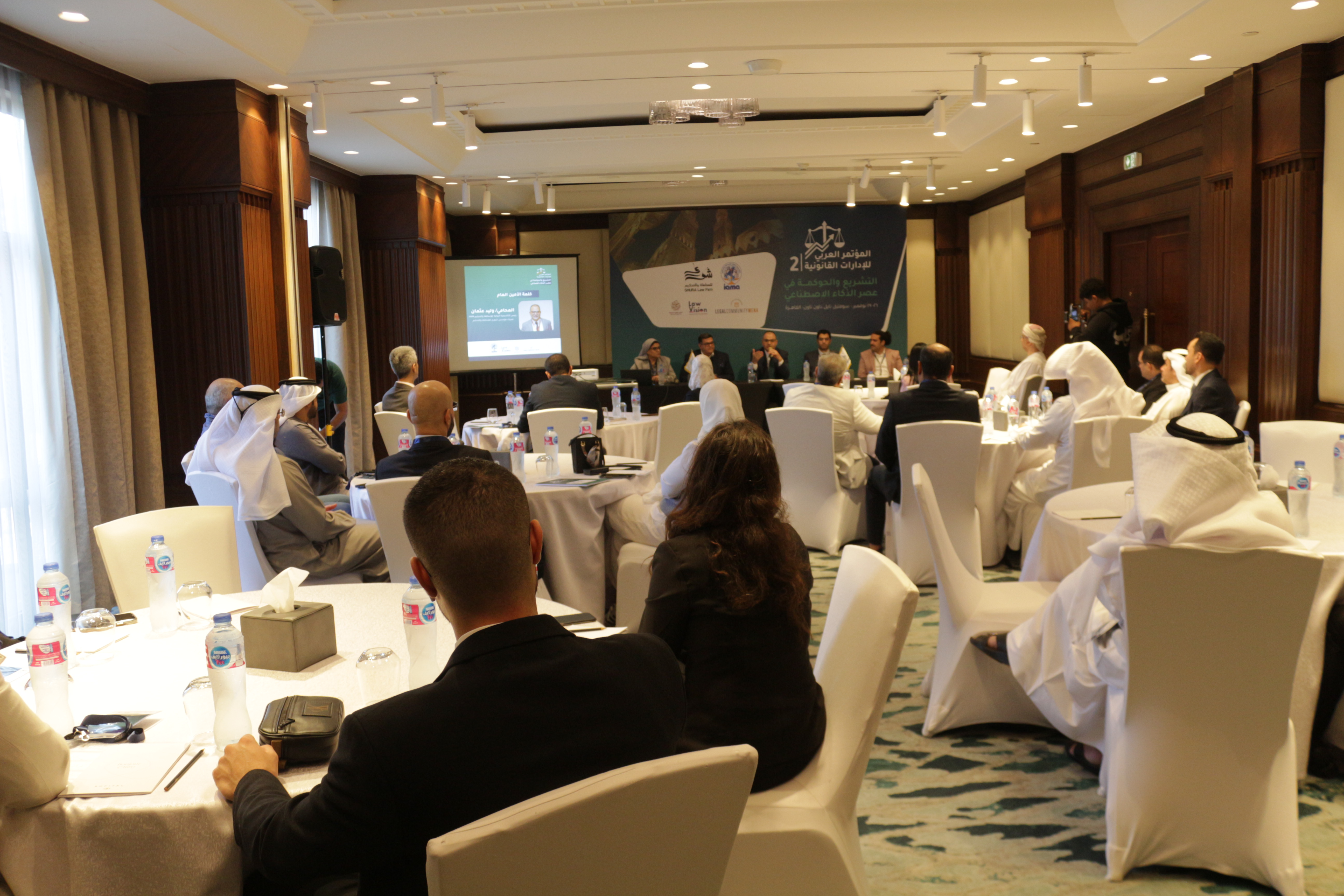
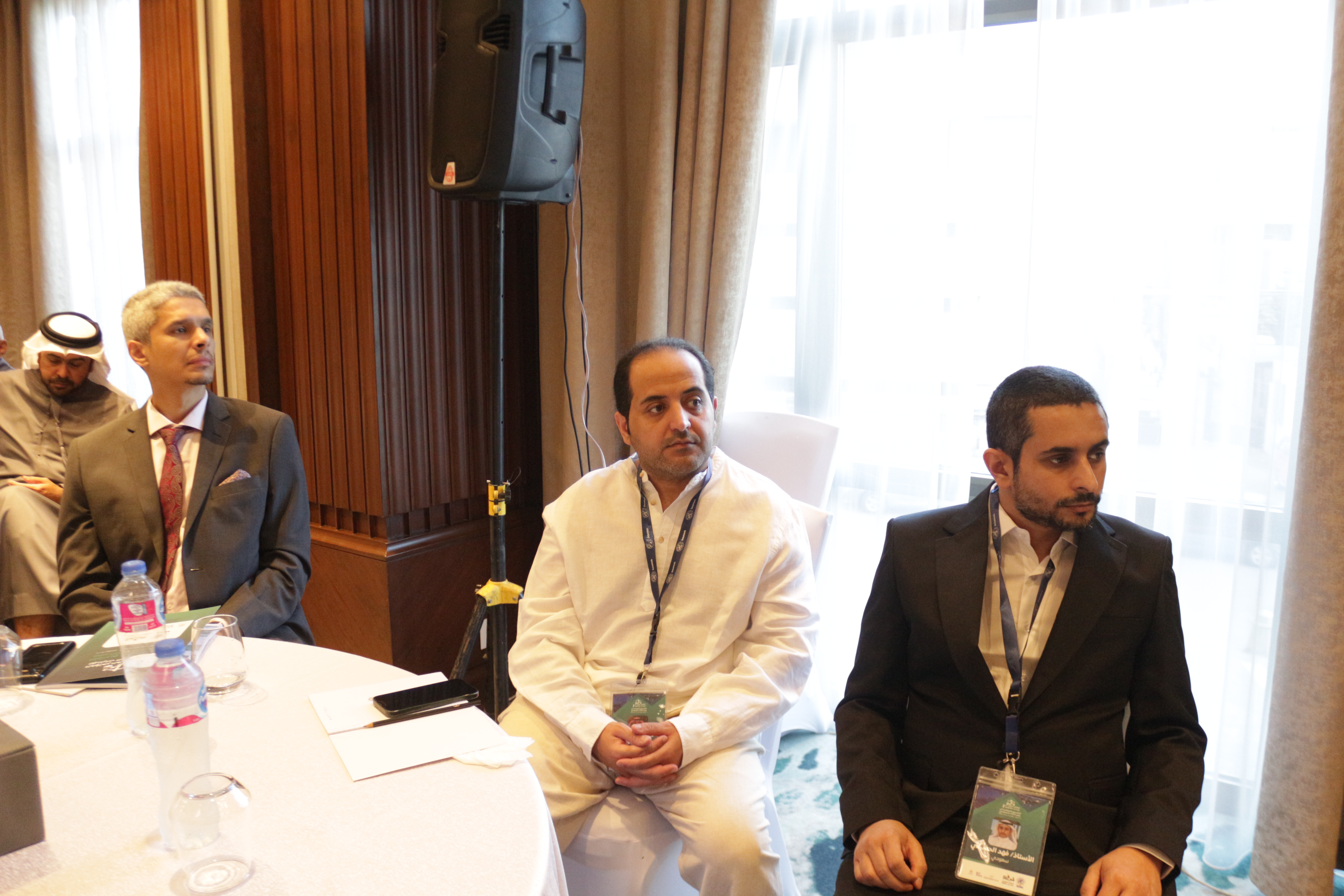
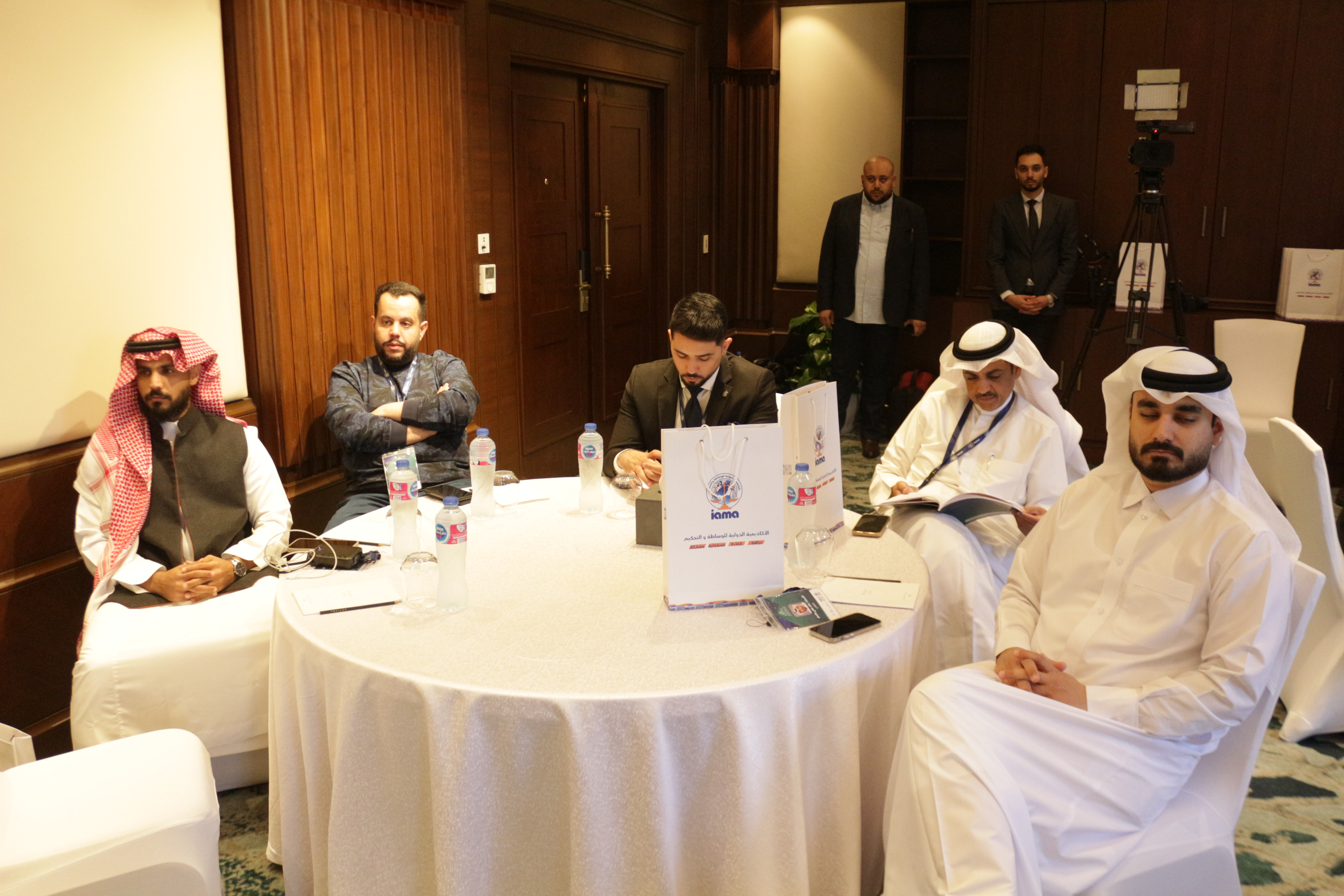
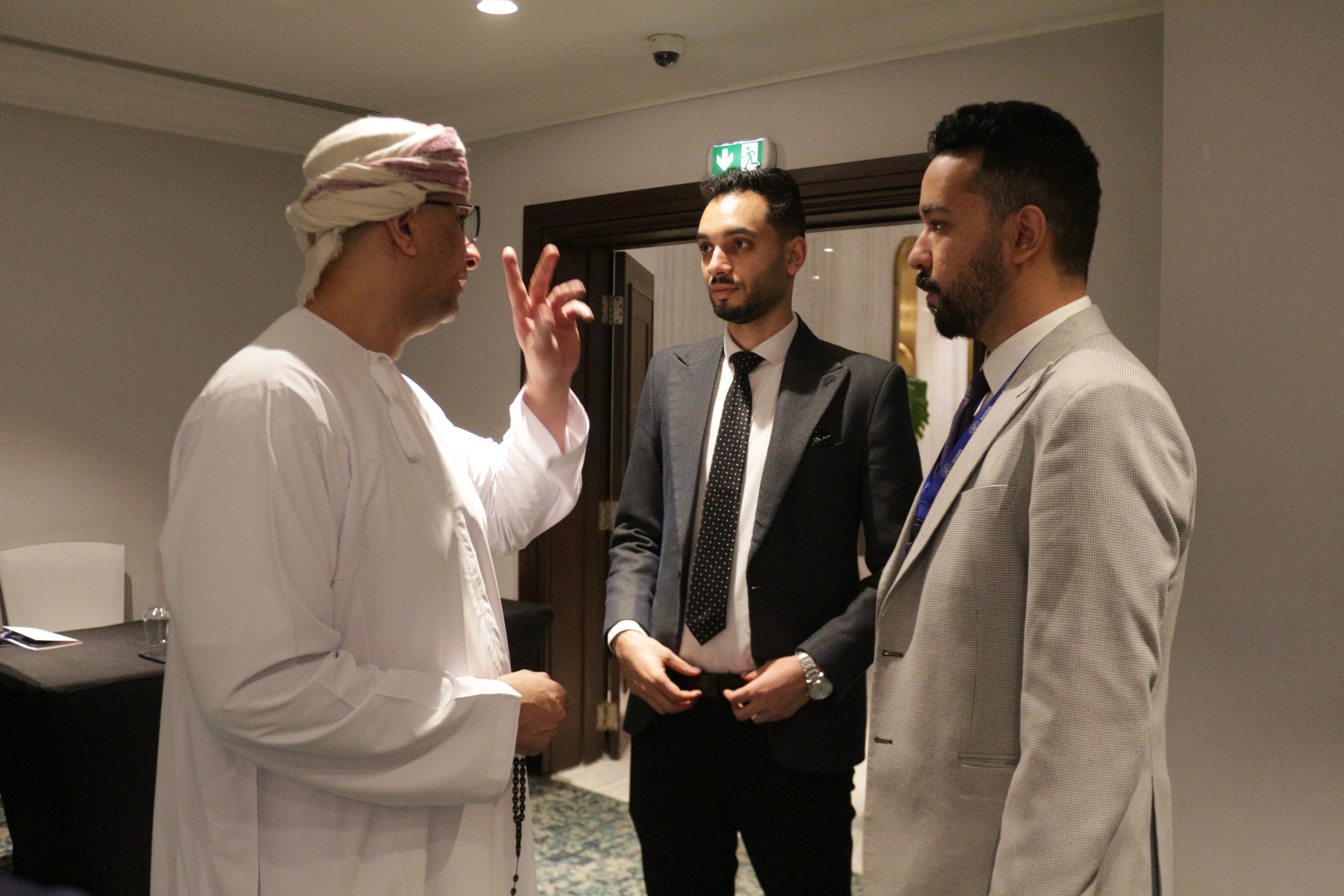
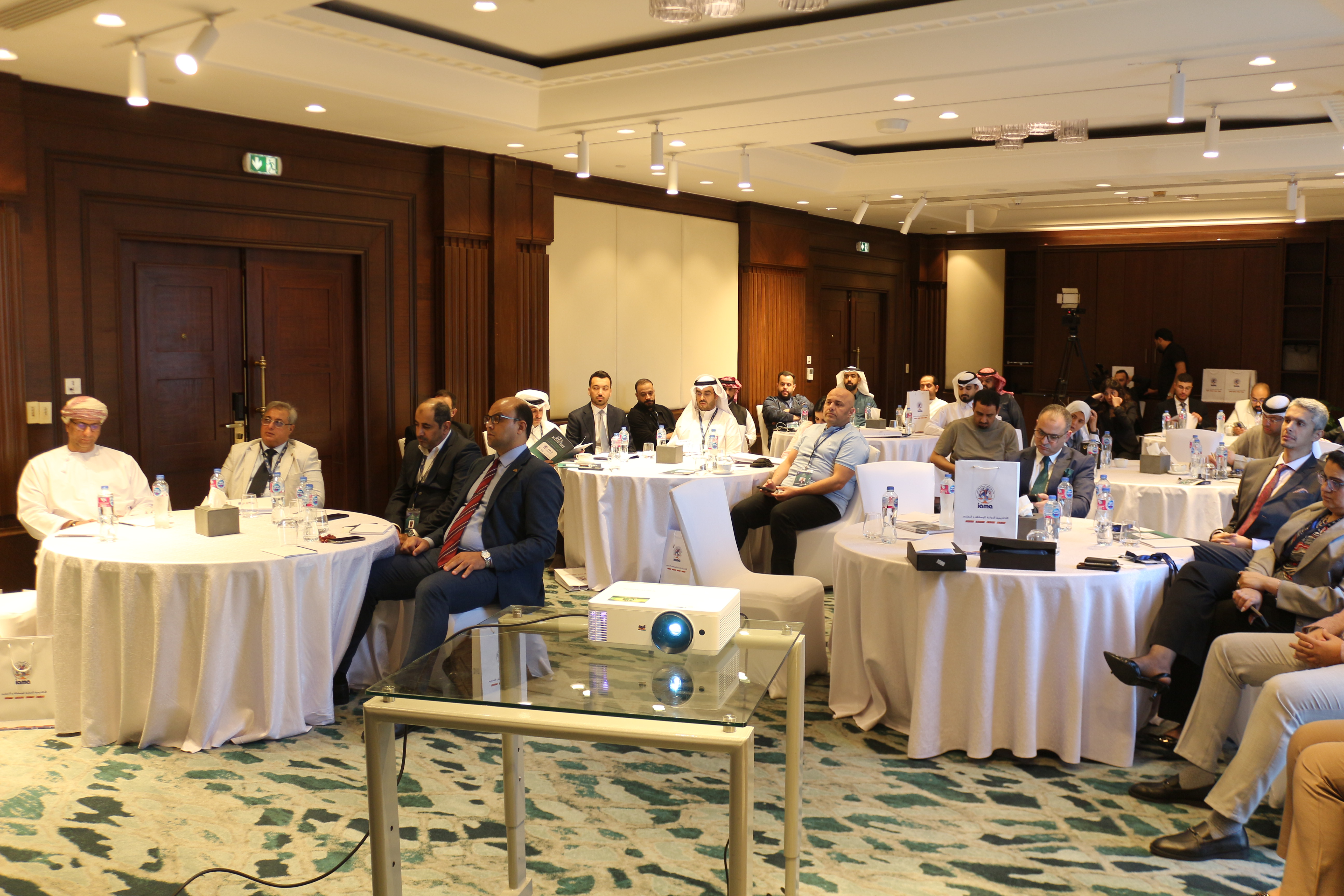
Participants Opinions

عبد الرحمن العيوني- السعودية
21 November, 2025
أتقدم إليكم وإلى فريق العمل الكريم بجزيل الشكر والامتنان على دعوتكم الكريمة لحضور المؤتمر لهذا العام، وعلى ما لمسناه من حفاوة الاستقبال ودقة التنظيم والإبداع في التفاصيل الذي جعل التجربة متميزة ومثرية.
عبدالله الحردان - الأردن
16 November, 2025حبيت أشكر كل القائمين على المؤتمر على الجهد الكبير والتنظيم الرائع بصراحة استفدنا كثير من النقاشات وكانت فرصة مهمة نتعرّف فيها على خبرات الدول العربية ونبادل الأفكار